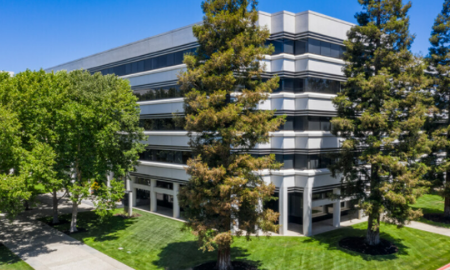
San Ramon, CA
Withum is ranked as one of the top Bay Area CPA firms with expertise in 18 industries, one of the largest ERISA practices, enhanced forensic capabilities, and the ability to offer outsourced accounting and cyber services. You won’t find a more connected group of passionate professionals who offer advisory, tax and assurance services to the San Ramon business community.
If you need a tax advisor, business consultant or accountant in San Ramon, CA, contact us to see how Withum might be a great fit to help you achieve your business goals.
Find Our San Ramon Office
5000 Executive Parkway
Ste 400
San Ramon, CA 94583
Phone: (925) 277-9100
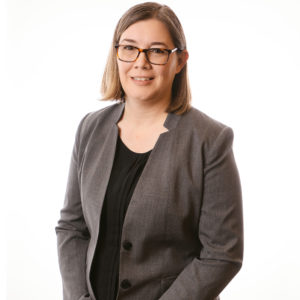
Partner-in-Charge: Joe Thiermann



Withum in the San Ramon Community and Beyond
Outside of the office, our San Ramon team members are active within the community, from holding board positions and running road races to annually contributing to various not-for-profit organizations throughout San Ramon. We are committed to being a part of the growth and development of our home.
While our office and people are local to the Bay Area business community, Withum’s footprint extends beyond the region.
- San Francisco Business Times Top 5 East Bay Accounting Firms
- INSIDE Public Accounting Names Withum on 2022 Best of the Best Accounting Firms List
- Accounting Today Top 100 Firms – 24th Largest Nationally
- Inside Public Accounting Top 100 Firms
- Forbes America’s Best Tax and Accounting Firms


Partner In Charge

Joe is a partner with over 25 years of specialized audit experience with audits of defined contribution plans, defined benefit plans, health and welfare plans, labor organizations and not-for-profits. He conducts system-wide reviews, designs and implements accounting systems and works on special projects involving system design, expense reporting and compliance, often in conjunction with other professionals to resolve regulatory and general management issues for clients.

Leadership








Featured Insights

Lindquist LLP Joins its Practice with Withum
On January 1, 2022, Lindquist, LLP, a public accounting, tax and business advisory firm headquartered in San Ramon, CA, officially joined its practice with WithumSmith+Brown, PC (Withum), a nationally recognized […]

Unions: How to Survive a DOL Audit
A Department of Labor (DOL) compliance audit can have a significant impact on your union. Read on to learn what triggers a DOL audit, what you can expect, common audit […]